
Electrical Must-Knows for Older Homes
Older homes have a lot to offer. From unique architecture and craftsmanship to established neighborhoods and one-of-a-kind details, it’s easy to understand why buyers fall in love with them.
But behind those charming walls may be an electrical system that was designed for a very different time.
Decades ago, homeowners weren’t running multiple televisions, computers, smart appliances, EV chargers, home offices, and countless other devices at the same time. Even if an older home’s electrical system is currently functioning, that doesn’t necessarily mean it’s ready to safely and reliably meet today’s demands.
If you’re considering buying an older home, here are a few things an electrician would want you to know before moving in.
Find Out How Old the Electrical Panel Is
The electrical panel is the heart of your home’s electrical system, distributing electricity throughout the property.
In an older home, it’s important to understand the panel’s age, condition, capacity, and whether it has been updated over the years. Some homes may still have older equipment that isn’t well suited for modern electrical demands.
An electrician can evaluate the panel and determine whether there are signs of deterioration, improper modifications, insufficient capacity, or other concerns.
If you’re planning renovations or adding high-demand equipment, such as an EV charger, hot tub, electric range, or additional HVAC equipment, understanding the panel’s available capacity becomes even more important.
Older Wiring Deserves a Closer Look
Not every older home needs to be completely rewired. However, the age and type of wiring should be part of your evaluation.
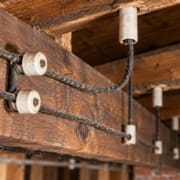
Depending on when the house was built and what renovations have occurred, you may encounter older wiring methods or a combination of old and new electrical work.
That’s one reason appearances can be deceiving.
New outlets, light fixtures, or switches don’t necessarily mean the wiring behind the walls was updated at the same time. A professional electrical evaluation can help you better understand what you’re actually working with.
Check the Outlets
Take a look around during your walkthrough. Are there enough outlets for the way you plan to use the home? Are many of them two-prong outlets? Do you notice loose, damaged, discolored, or unusually warm receptacles?
Modern households use significantly more electrical equipment than homes were originally designed to support decades ago.
Limited outlets can also lead homeowners to rely heavily on extension cords and power strips, which isn’t a good long-term solution for inadequate electrical infrastructure.
You’ll also want to know whether appropriate GFCI protection is present in areas such as kitchens, bathrooms, garages, basements, and outdoor locations where required.
Don’t Assume Previous Renovations Were Done Correctly
An older home may have been owned by many people over its lifetime and each owner may have made changes.
Some electrical work may have been professionally completed and permitted. Other projects may have been DIY upgrades or additions.
Watch for clues such as switches that don’t seem to control anything, outlets that don’t work, frequently tripping breakers, unusual wiring, exposed connections, or inconsistent electrical work.
If something looks questionable, it’s worth having it evaluated rather than assuming it’s harmless.
Think About Your Future Electrical Needs
Don’t evaluate the electrical system based solely on what the previous homeowner needed.
Think about your lifestyle.
Will you be working from home? Planning a kitchen remodel? Installing an EV charger? Adding air conditioning? Finishing the basement? Building a workshop? Adding outdoor lighting?
Understanding future plans can help determine whether the existing electrical system provides enough capacity or whether upgrades should be included in your homeownership budget.
It’s much better to understand those needs before a major renovation begins.
Pay Attention to Warning Signs
Some electrical issues aren’t immediately visible, but there are warning signs homeowners shouldn’t ignore.
Frequently tripped breakers, flickering or dimming lights, buzzing sounds, burning odors, scorch marks, warm outlets or switches, and recurring electrical problems should all be investigated.
Don’t simply reset a breaker repeatedly or ignore a problem because everything starts working again. The underlying cause may still need attention.
If something doesn’t seem right, have a qualified electrician take a look.
A Home Inspection and Electrical Evaluation Serve Different Purposes
A general home inspection is an important part of purchasing a house and can identify many potential concerns. However, there may be situations where bringing in a licensed electrician provides additional insight into the home’s electrical system.
This can be especially helpful with significantly older properties, homes that have undergone numerous renovations, or properties where the inspection identifies possible electrical concerns.
Knowing more before you buy can help you understand which upgrades may be necessary, which ones can potentially wait, and what should be included in your future budget.
Know What’s Behind the Walls
Buying an older home doesn’t have to mean inheriting electrical problems.
The key is knowing what you’re purchasing.
A beautiful kitchen and original hardwood floors are easy to see during a showing. The condition of the wiring, electrical panel, grounding, circuits, and connections throughout the house isn’t nearly as obvious.
That’s where professional expertise can make a difference.
Before purchasing an older property or shortly after moving in, consider having the electrical system evaluated by a qualified electrician.
At High West Electric, we’re here to help homeowners better understand their electrical systems and make informed decisions about repairs, upgrades, and future electrical needs.
Because when you’ve found a home you love, you should be able to enjoy its character and history while having an electrical system that’s ready for the way you live today.
High West Electric is based in Denver, CO, and serves the entire metro area. Our customer service-based approach ensures that each client enjoys the process from installation to the end product – no matter the size of the job. Our goal is to be YOUR electrician and offer an experience that goes Beyond the Wires. Visit our website to learn more
